Highest Efficiency Solar Cell
& Solar Panel Guide
Compare the most efficient solar cell technologies and top-rated panels for RVs, camping, home backup, solar generators, and off-grid power systems.
Top Efficiency
24.2%
Leading Tech
Monocrystalline
What Is the Highest Efficiency Solar Cell?
Solar cell efficiency measures how much sunlight a cell can convert into usable electricity. A solar cell with 25% efficiency, for example, turns one quarter of the sunlight hitting it into electrical energy.
In laboratory settings, researchers have achieved solar cell efficiencies above 47% using multi-junction cells. However, these cutting-edge cells are expensive and not available to everyday consumers.
For most buyers, the practical question isn't which solar cell has the absolute highest lab efficiency — it's which commercially available solar panel delivers the best real-world output for their needs. High-efficiency monocrystalline panels, bifacial panels, and PERC/TOPCon/HJT cells represent the best consumer-grade technologies today, typically achieving 20–24% efficiency.
For most buyers, the best choice is not just the highest lab efficiency number — it is the solar panel that gives the best real-world output for your space, budget, and power needs.
Disclosure: As an Amazon Associate, we earn from qualifying purchases. This helps support our site at no extra cost to you.
Top High-Efficiency Solar Panels Compared
Quick comparison of the best high-efficiency solar panels by category — wattage, efficiency, type, and best use.
Prices and availability change often. Use the Amazon button to check the current price and product details for each panel.
| # | Product | Best For | Cell Type | Watts | Efficiency | Price |
|---|---|---|---|---|---|---|
| 1 | Best Overall High-Efficiency | MonocrystallineRigid | 400W | 22.8% | Check Current Price | |
| 2 | Best Portable Solar Panel | MonocrystallinePortable | 100W | 23.7% | Check Current Price | |
| 3 | Best Solar Panel for RV | MonocrystallineRigid | 200W | 21.6% | Check Current Price | |
| 4 | Best Solar Panel for Camping | MonocrystallineFoldable | 200W | 23.4% | Check Current Price | |
| 5 | Best Flexible Solar Panel | MonocrystallineFlexible | 175W | 22.4% | Check Current Price | |
| 6 | 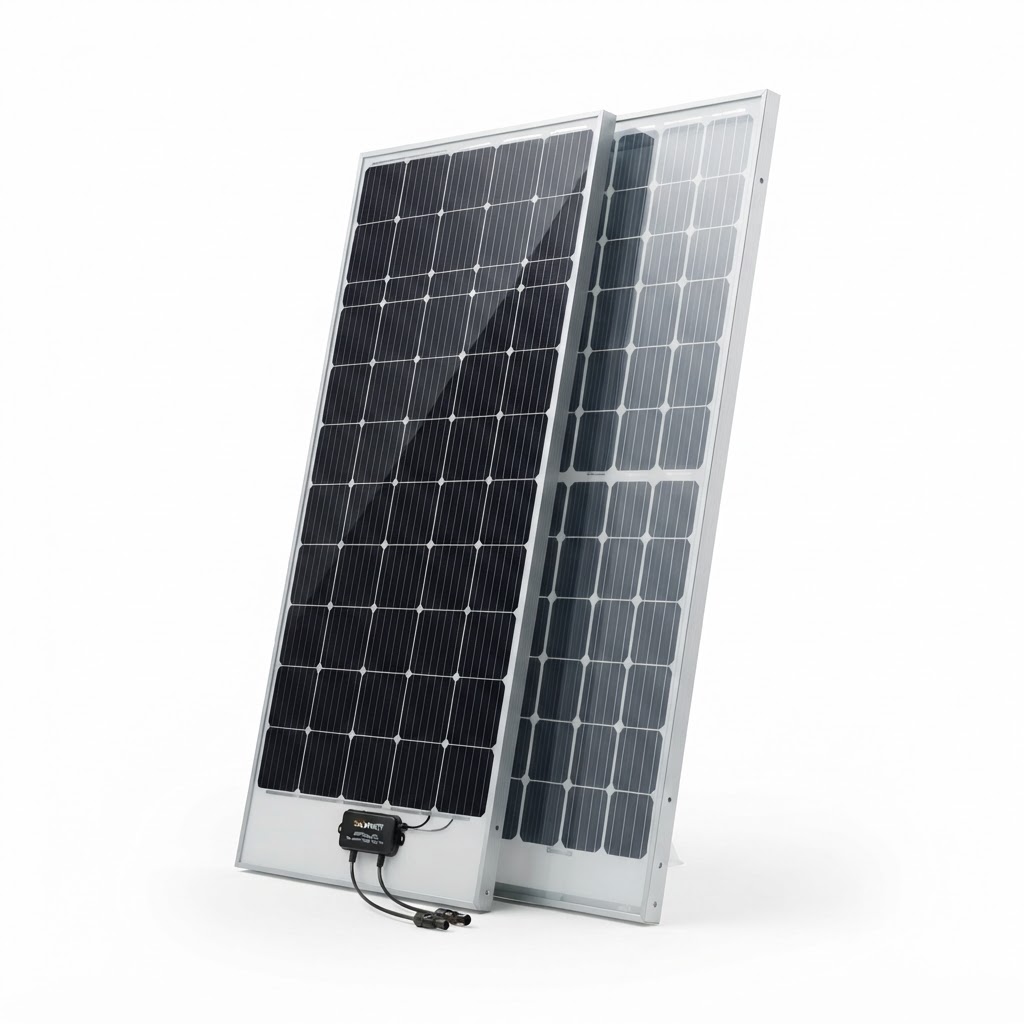 Canadian Solar 455W BiHiKu7 Bifacial Panel Canadian Solar | Best Bifacial Solar Panel | TOPConRigid | 455W | 22.5% | Check Current Price |
| 7 | Best Solar Panel Kit | MonocrystallineKit | 200W | 21.4% | Check Current Price | |
| 8 | Best for Solar Generator | MonocrystallinePortable | 400W | 22.6% | Check Current Price | |
| 9 | Best Budget High-Efficiency | MonocrystallineRigid | 100W | 21.2% | Check Current Price | |
| 10 |  SunPower Maxeon 6 425W Panel SunPower | Best Premium Solar Panel | IBCRigid | 425W | 22.8% | Check Current Price |
Watts
400W
Cell
Monocrystalline
Eff.
22.8%
Watts
100W
Cell
Monocrystalline
Eff.
23.7%
Watts
200W
Cell
Monocrystalline
Eff.
21.6%
Watts
200W
Cell
Monocrystalline
Eff.
23.4%
Watts
175W
Cell
Monocrystalline
Eff.
22.4%
Watts
455W
Cell
TOPCon
Eff.
22.5%
Watts
200W
Cell
Monocrystalline
Eff.
21.4%
Watts
400W
Cell
Monocrystalline
Eff.
22.6%
Watts
100W
Cell
Monocrystalline
Eff.
21.2%
Watts
425W
Cell
IBC
Eff.
22.8%
Top Picks: Highest Efficiency Solar Panels
Our recommended high-efficiency solar panels across every category and use case. All links go to Amazon — we earn a small commission at no extra cost to you.
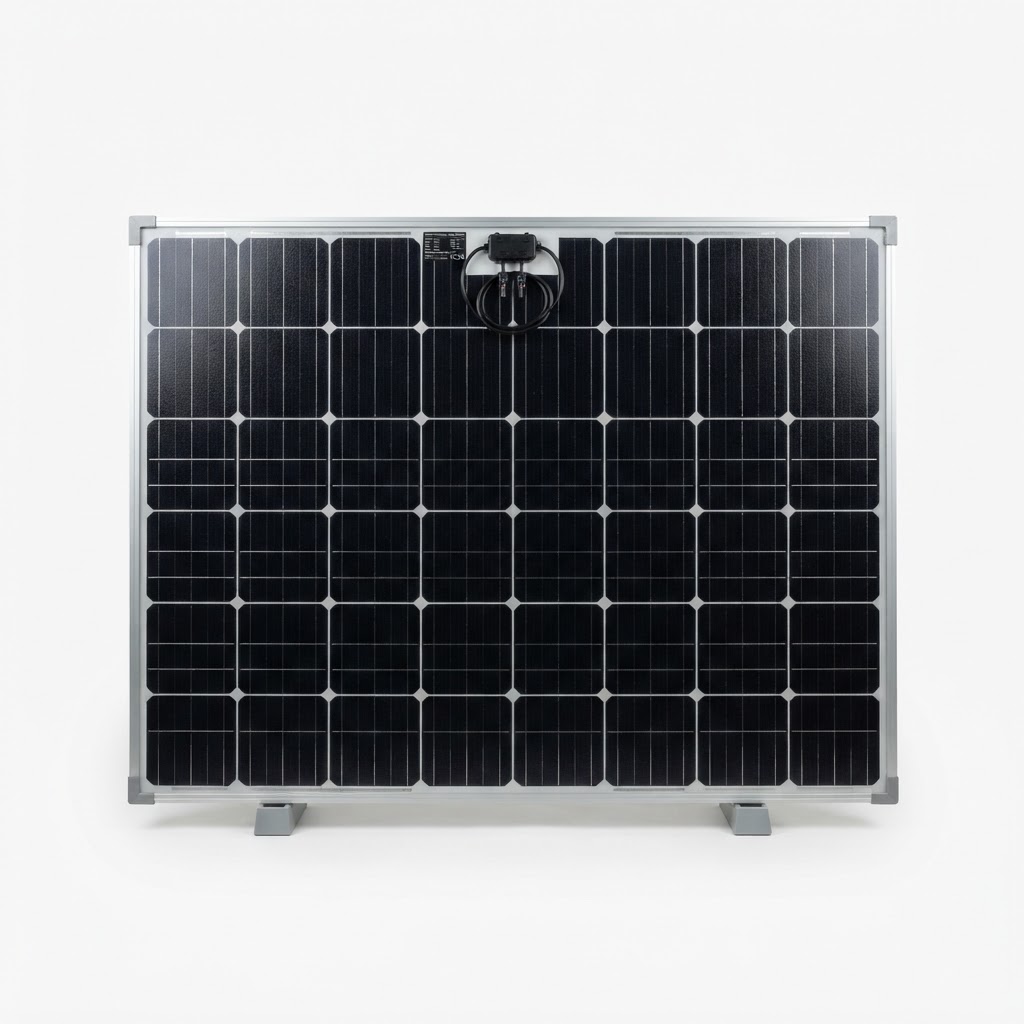
WATTS
400W
EFF.
22.8%
TYPE
Rigid
CELL
Monocrystalline
Renogy 400W Monocrystalline Solar Panel
by Renogy
Uses advanced PERC monocrystalline cells for top-tier consumer efficiency
Who this is for
- High 22.8% efficiency rating
- Excellent build quality and durability
- 25-year output warranty
Avoid if
You need a portable or lightweight solution
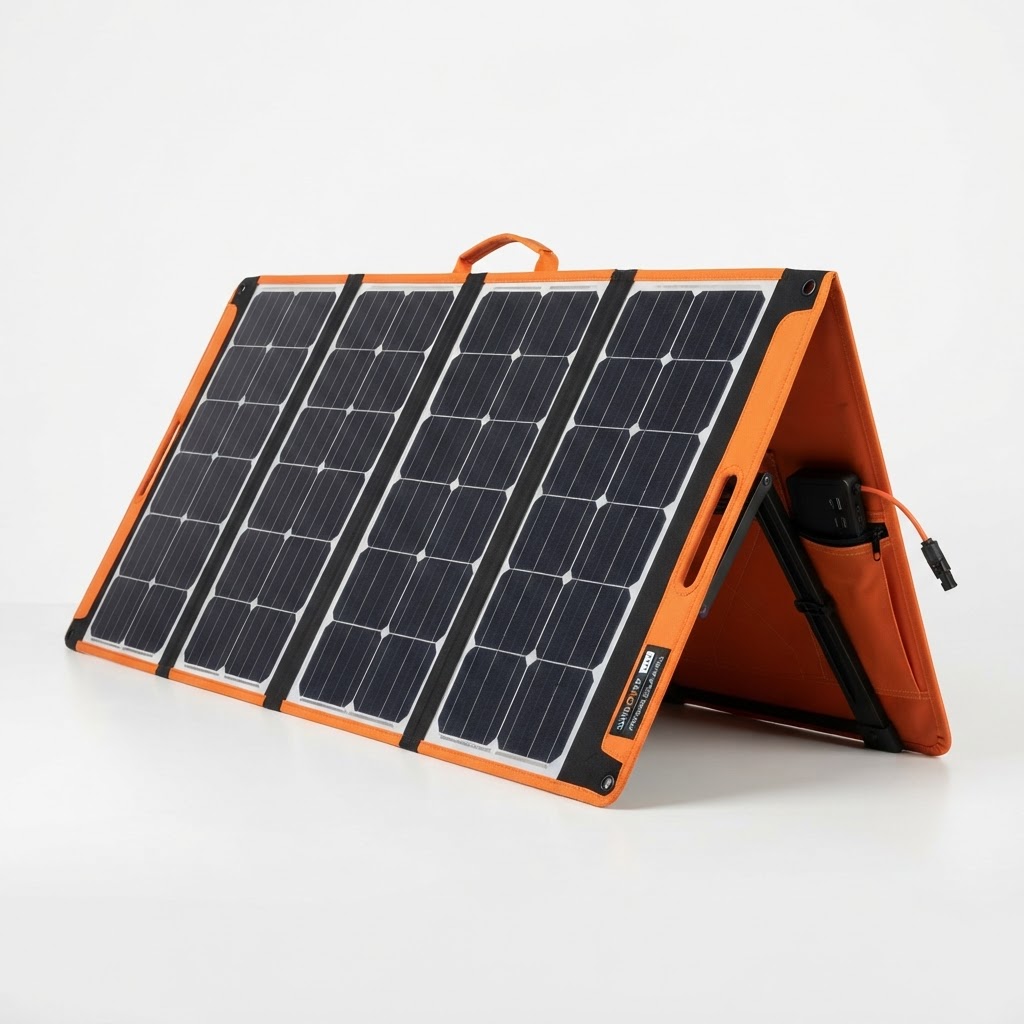
WATTS
100W
EFF.
23.7%
TYPE
Portable
CELL
Monocrystalline
Jackery SolarSaga 100W Portable Panel
by Jackery
Uses monocrystalline PERC cells with 23.7% cell efficiency in a foldable form factor
Who this is for
- Excellent portability and folding design
- High cell efficiency for portable class
- Built-in kickstand for easy angling
Avoid if
You need more than 100W or want universal MC4 compatibility
WATTS
200W
EFF.
21.6%
TYPE
Rigid
CELL
Monocrystalline
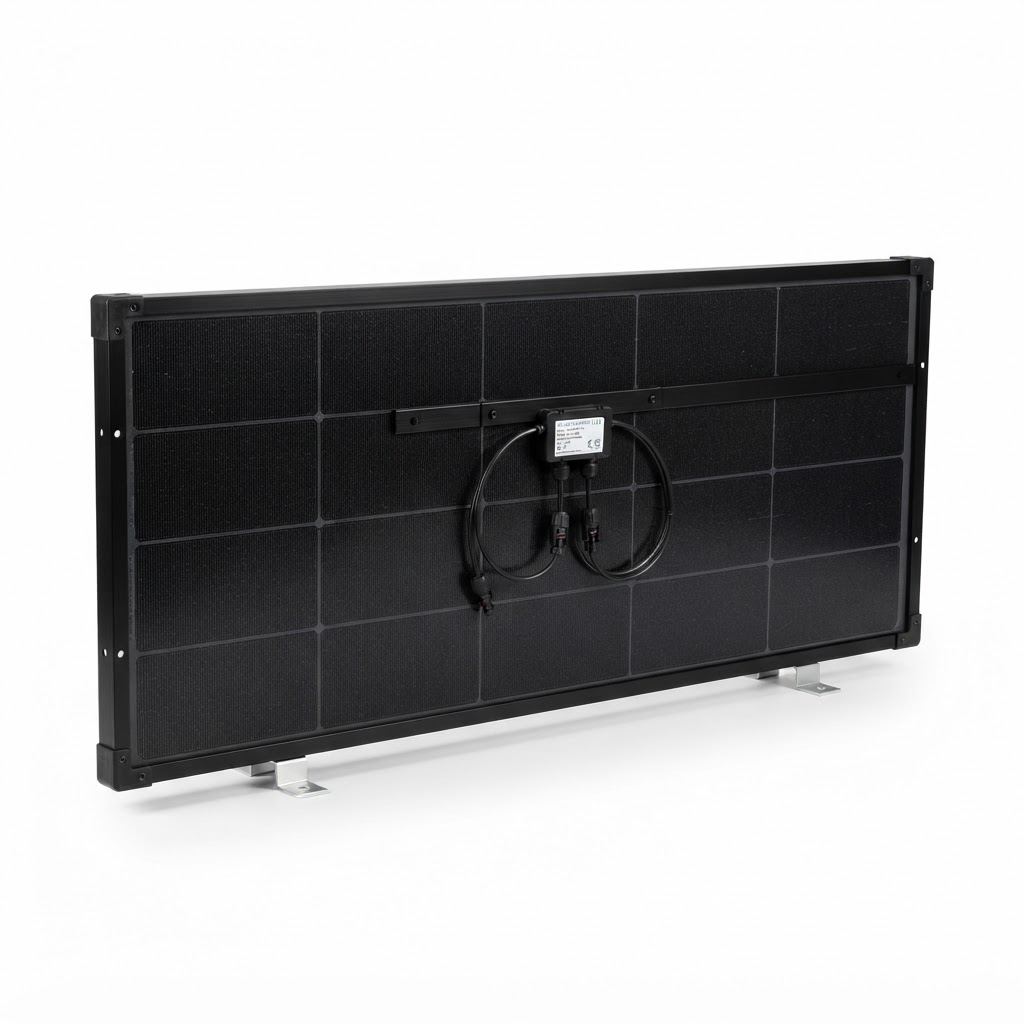
Rich Solar 200W 12V Monocrystalline Panel
by Rich Solar
Standard monocrystalline efficiency ideal for RV roof space optimization
Who this is for
- Great size-to-power ratio for RV roofs
- Affordable price per watt
- Standard MC4 connectors
Avoid if
You have a curved roof or need a lightweight portable panel
WATTS
200W
EFF.
23.4%
TYPE
Foldable
CELL
Monocrystalline
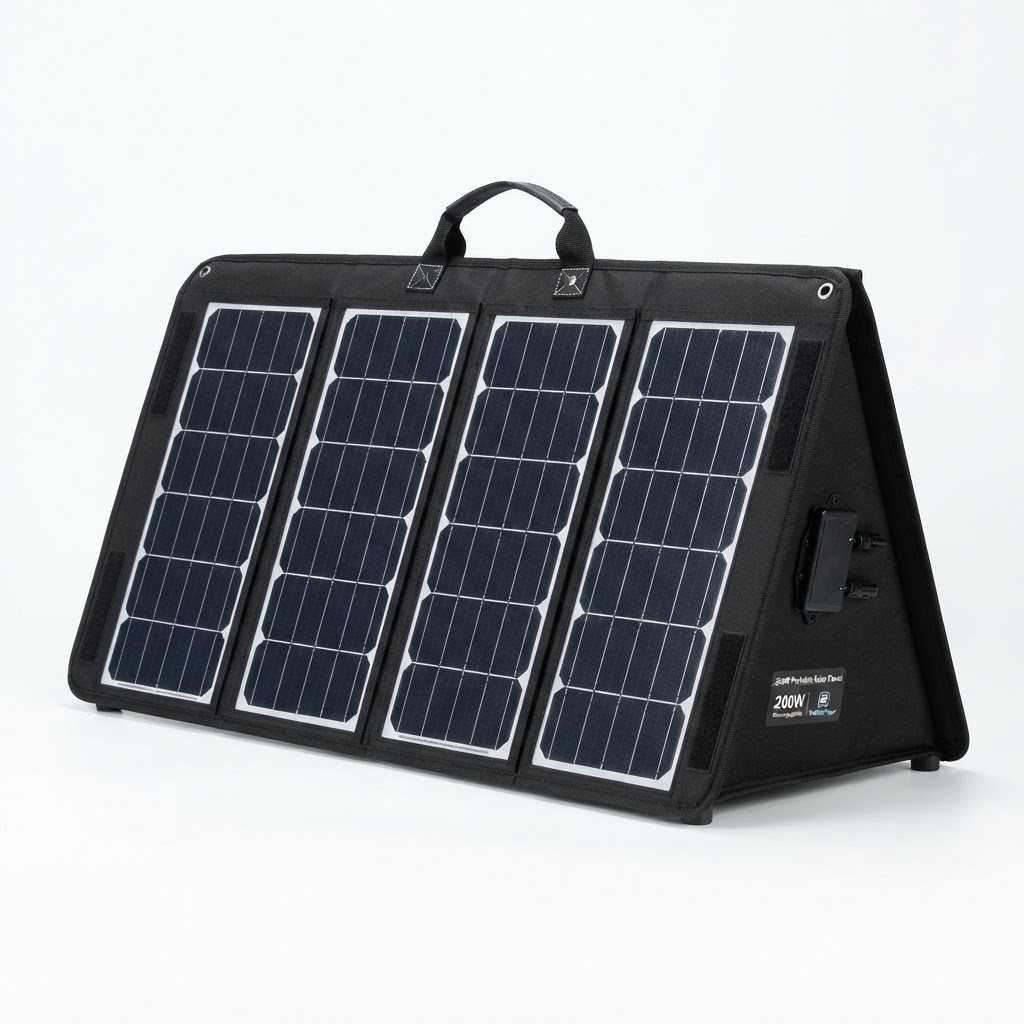
BougeRV 200W Portable Camping Panel
by BougeRV
High-efficiency monocrystalline cells deliver strong output in a foldable design
Who this is for
- High wattage in a foldable package
- Multiple connector options
- Adjustable kickstand included
Avoid if
You're backpacking or need ultra-light gear
WATTS
175W
EFF.
22.4%
TYPE
Flexible
CELL
Monocrystalline
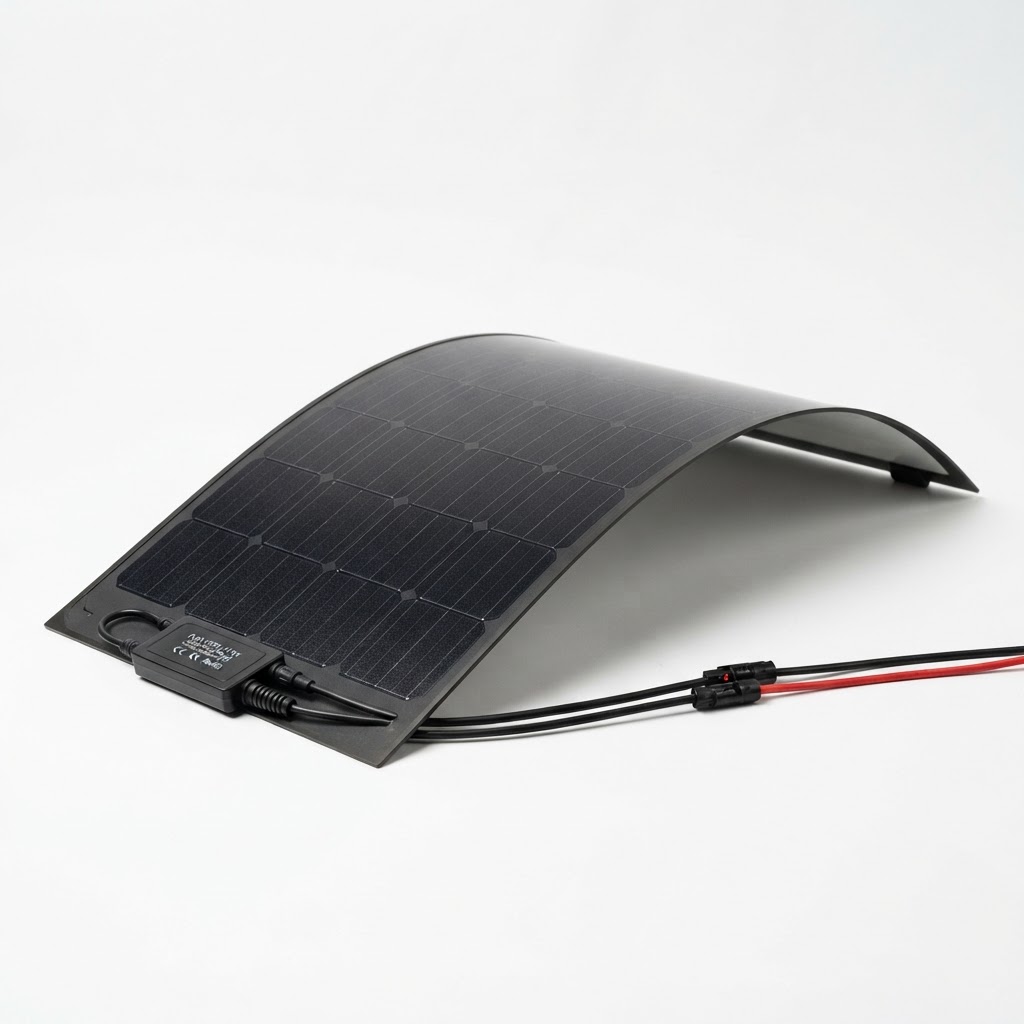
Renogy 175W Flexible Solar Panel
by Renogy
Uses advanced monocrystalline cells in a flexible laminate — top of class for flex panels
Who this is for
- Ultra-lightweight at only 6.2 lbs
- Bends up to 248° for curved surfaces
- Strong efficiency for a flexible panel
Avoid if
You want maximum long-term durability or need tilt-adjustable mounting
WATTS
455W
EFF.
22.5%
TYPE
Rigid
CELL
TOPCon
Canadian Solar 455W BiHiKu7 Bifacial Panel
by Canadian Solar
TOPCon bifacial cells with up to 30% rear-side gain in optimal albedo conditions
Who this is for
- Bifacial design captures rear-side light
- TOPCon technology for high efficiency
- Up to 30% bonus energy from albedo
Avoid if
You're flush-mounting on a dark roof or need portability
WATTS
200W
EFF.
21.4%
TYPE
Kit
CELL
Monocrystalline
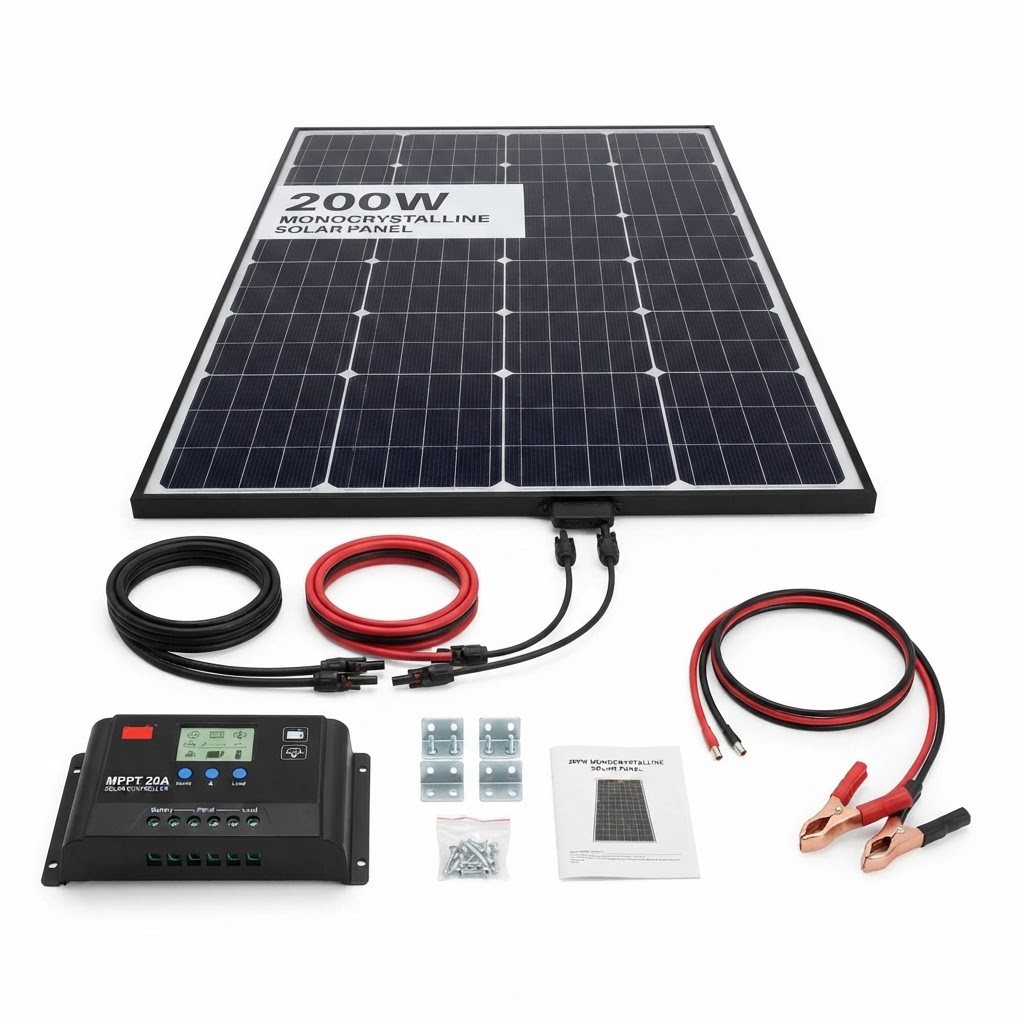
Renogy 200W Solar Starter Kit
by Renogy
Complete kit with matched components for reliable 200W output
Who this is for
- All-in-one kit with charge controller
- Beginner-friendly setup
- MPPT controller included
Avoid if
You already have a charge controller or need higher wattage
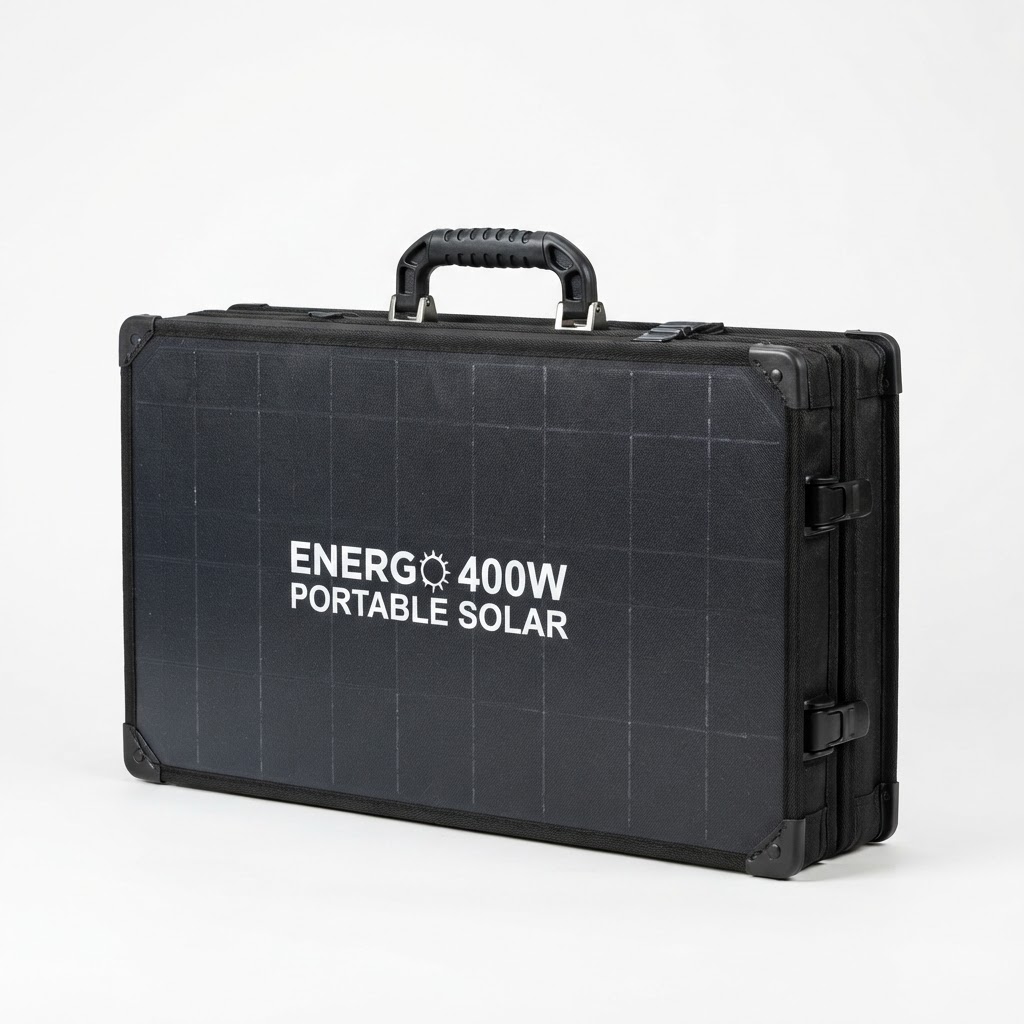
WATTS
400W
EFF.
22.6%
TYPE
Portable
CELL
Monocrystalline
EcoFlow 400W Portable Solar Panel
by EcoFlow
High-wattage portable design optimized for rapid solar generator recharging
Who this is for
- Massive 400W portable output
- Fast charging for EcoFlow generators
- Self-supporting kickstand design
Avoid if
You need a lightweight, backpack-friendly panel or are on a tight budget
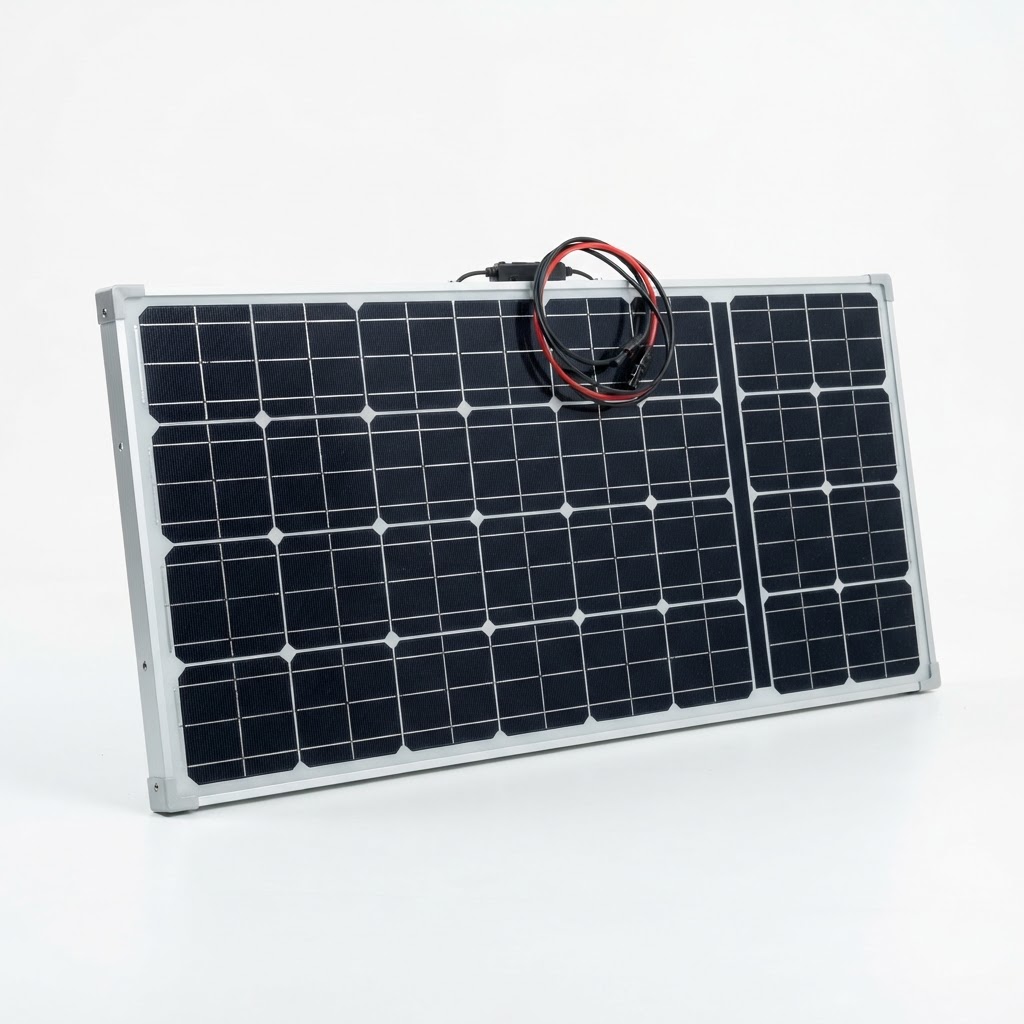
WATTS
100W
EFF.
21.2%
TYPE
Rigid
CELL
Monocrystalline
HQST 100W Monocrystalline Solar Panel
by HQST
Delivers solid monocrystalline efficiency at a budget-friendly price point
Who this is for
- Excellent price per watt
- Solid monocrystalline efficiency
- Compact and manageable size
Avoid if
You need more than basic power or want premium build quality
WATTS
425W
EFF.
22.8%
TYPE
Rigid
CELL
IBC
SunPower Maxeon 6 425W Panel
by SunPower
IBC (interdigitated back contact) cells deliver maximum efficiency by eliminating front-side busbars
Who this is for
- Industry-leading IBC cell technology
- 40-year useful life expectancy
- Best-in-class degradation rate
Avoid if
You're on a budget or need a temporary/portable solution
How Solar Cell Efficiency Works
Understanding the fundamentals helps you make smarter buying decisions and avoid overpaying for specs that don't matter in your setup.
What solar cell efficiency actually means
Solar cell efficiency is the percentage of sunlight energy that a photovoltaic cell converts into usable electricity. A 22% efficient panel produces 22 watts for every 100 watts of sunlight striking it. Higher efficiency means more power from the same surface area — critical when space is limited. Standard consumer panels range from 15% to 24% efficiency. Anything above 20% is considered high-efficiency and typically uses advanced cell architectures.
Solar cell vs. solar panel — the key difference
A solar cell is the individual semiconductor wafer (typically 6-inch or M10/M12 format) that converts photons to electrons. A solar panel is a finished module containing 60, 72, or 96 cells wired in series and parallel, laminated between glass and a backsheet, and mounted in an aluminum frame. Panel efficiency is always 1–3 percentage points lower than individual cell efficiency due to cell spacing, frame area, wiring resistance, and encapsulant losses. When a manufacturer advertises a '25% efficiency cell,' expect the assembled panel to be rated at 22–23%.
Solar cell vs. solar panel explainedLab efficiency vs. real-world output: the gap is bigger than you think
Efficiency ratings are measured under Standard Test Conditions (STC): 25°C cell temperature, 1000 W/m² irradiance, AM 1.5 solar spectrum. In practice, panels routinely operate at 50–65°C on hot days, at partial irradiance during morning and evening, and at non-optimal angles. These conditions can reduce actual output by 15–25% compared to STC ratings. A 400W panel in real conditions might consistently deliver 320–360W on a clear summer day. Always size your system using a derating factor of at least 15% from nameplate wattage.
Why monocrystalline panels lead in efficiency
Monocrystalline silicon cells are grown from a single continuous crystal structure using the Czochralski process. This creates a highly ordered lattice with minimal grain boundaries, allowing electrons to flow more freely and reducing recombination losses. The result is consistently higher efficiency (20–24%) compared to polycrystalline (15–18%), which is made from multiple silicon fragments fused together. Polycrystalline panels have grain boundaries that impede electron flow and reduce efficiency. For any space-limited installation, monocrystalline is the default choice.
Monocrystalline vs. polycrystalline solar panelsTemperature coefficient: the spec most buyers ignore
Every solar panel loses efficiency as it heats up. The temperature coefficient (expressed as %/°C) tells you how much power you lose per degree above 25°C. A typical PERC panel has a coefficient of -0.35%/°C. An HJT panel might be -0.26%/°C. At 60°C operating temperature (common in summer), that's a difference of 3.85% vs. 9.1% power loss just from heat. Over a year in a hot climate, this compounds into a meaningful energy and revenue difference. In Phoenix, Dallas, or anywhere summers are brutal, HJT panels' superior temperature coefficient earns them every penny of their premium.
Bifacial panels can boost production by 10–30%
Bifacial solar panels have active solar cells on both the front and rear surfaces. The rear captures albedo light — sunlight reflected from the ground, rooftop, or surrounding surfaces. Over a reflective white membrane roof, fresh snow, or light-colored concrete, bifacial panels can generate 10–30% more energy than a same-wattage monofacial panel. The gains depend heavily on albedo (reflectivity) of the surface below: snow (albedo ~0.8) is ideal; dark asphalt (albedo ~0.1) adds minimal benefit. Bifacial panels require elevated ground mounts or raised racking to allow rear-surface exposure.
Best bifacial solar panels guideFlexible panels: lightweight convenience with real trade-offs
Flexible solar panels use thin-film or thin monocrystalline cells on a polymer backing instead of glass. They can be bent to conform to curved surfaces — ideal for curved RV roofs, boat decks, and vans. They're dramatically lighter: a 100W flexible panel might weigh 3–4 lbs vs. 15+ lbs for a rigid equivalent. However, the trade-offs are real: efficiency is typically 1–5 percentage points lower than rigid panels, degradation is faster (especially with repeated flexing), heat dissipation is poorer since they're often mounted flush against surfaces, and warranties are shorter. Best for installations where surface conformity or weight is the primary constraint.
Best flexible solar panels guideRigid panels: the gold standard for permanent installations
For rooftop arrays, ground mounts, and permanent RV setups, rigid tempered glass panels are the best long-term investment. The glass-and-aluminum construction protects cells from UV degradation, moisture intrusion, and mechanical stress. High-quality rigid panels from established manufacturers carry 25-year performance warranties — a commitment that tells you a great deal about product durability. Frame design matters too: look for anodized aluminum frames with drainage holes and IP68-rated junction boxes. These small details separate panels built to last 30 years from ones that fail in 10.
Solar Panel Guides by Category
Eight in-depth topic clusters covering every solar panel type, use case, and technology — from the highest efficiency cells to portable panels for camping.
High-Efficiency Panels
PERC, HJT, TOPCon & IBC cell technologies compared by real-world efficiency
Best Solar Panels
Top picks by use case — RV, camping, van life, off-grid & home backup
Flexible Solar Panels
Lightweight panels for curved roofs, boats & van conversions
Bifacial Solar Panels
Dual-sided panels that harvest reflected light for 10–30% more energy
Portable Solar Panels
Foldable & suitcase panels for camping, hiking & travel
Solar Panels for EcoFlow
Compatible panels for Delta, River Pro & all EcoFlow stations
Solar Panels for Van Life
Roof mounting, sizing & top picks for Sprinter, Transit & ProMaster
Solar Basics & Education
Solar cell vs panel, mono vs poly, efficiency & sizing guides
How to Choose the Best High-Efficiency Solar Panel
Whether you're shopping for an RV, cabin, camping trip, or full off-grid setup, these factors will help you pick the right panel.
Solar panel wattage
Match wattage to your daily energy needs. Common sizes: 100W for small setups, 200W for moderate use, 400W+ for whole-home.
Solar cell efficiency
Higher efficiency means more power per square foot. Look for 20%+ efficiency in monocrystalline panels.
Panel size & roof space
Measure your available space first. Higher efficiency panels produce more power in less area.
Rigid vs flexible panels
Rigid panels are more efficient and durable. Flexible panels work better on curved surfaces.
Read guidePortable vs permanent
Portable panels fold up for camping. Permanent panels mount for year-round production.
Mono vs polycrystalline
Monocrystalline is more efficient and compact. Polycrystalline is cheaper but needs more space.
Read guideBifacial solar panels
Capture light on both sides for 10–30% more energy in the right conditions.
Read guideSolar panel kits
Kits include panels, charge controller, and wiring. Great for beginners entering solar.
Charge controllers
MPPT controllers are more efficient than PWM. Essential for protecting your batteries.
MC4 connectors
Standard connectors used on most solar panels. Ensure compatibility with your system.
Battery compatibility
LiFePO4 batteries are safest for solar. Match battery voltage to your panel and controller.
Solar generator compatibility
Check input voltage and wattage limits. Most portable generators accept 100–400W of solar.
RV roof mounting
Use Z-brackets for rigid panels. Clean the roof and seal all drill holes to prevent leaks.
Weather resistance
Look for IP67/IP68 ratings. Good panels handle rain, snow, wind, and dust.
Warranty & durability
Top brands offer 25-year performance warranties. Check for both product and output guarantees.
Solar Panel Sizing Calculator
Estimate how many watts of solar you need based on your daily power consumption and conditions.
Quick Presets
Recommended Wattage
240W
Suggested Setup
2× 200W panels or 1× 400W
Configuration
Roof-mounted rigid panels
Find the Best Solar Panel for Your Needs
In-depth guides for every solar use case — from rooftop installations to portable camping setups.
Highest Efficiency Panels
Best Solar Panels for RV
Best Portable Solar Panels
Best Flexible Solar Panels
Best Bifacial Solar Panels
Best for Solar Generators
Solar Panel Kits
Best for Camping
Home Backup Panels
Best for Small Spaces
Popular Solar Guides
Buyer's guides, how-to articles, and sizing guides for every solar use case.
Best 100 Watt Solar Panels (2026) — Buyer's Guide
Find the best 100 watt solar panels for camping, RVs, and solar generators. Comparison of the highest efficiency 100W monocrystalline panels on Amazon.
Best 200 Watt Solar Panels (2026) — Buyer's Guide
Compare the best 200 watt solar panels for RVs, camping, and off-grid use. High-efficiency 200W monocrystalline panels reviewed and compared.
Best 400 Watt Solar Panels (2026) — High-Output Buyer's Guide
Find the best 400 watt solar panels for home backup, large RVs, and off-grid cabins. Compare the highest efficiency 400W monocrystalline panels.
Best Solar Panels for Jackery (2026) — All Models Covered
Find the best solar panels compatible with Jackery Explorer power stations. Covers all Jackery models — which panels charge fastest and work best.
Best Solar Panels for EcoFlow (2026) — Compatible Panels Guide
The best solar panels for EcoFlow Delta, Delta Pro, River, and other EcoFlow power stations. Which panels charge fastest and offer best value.
Best Solar Panels for Bluetti (2026) — EB, AC, and EP Series
Find the best solar panels for Bluetti power stations. Compatible panel recommendations for every Bluetti model from EB3A to EP500 and AC200 series.
Frequently Asked Questions
Common questions about the highest efficiency solar cells and solar panels.
Get the Free Solar Panel Sizing Checklist
Enter your email and get a simple checklist to help choose the right solar panel wattage, panel type, and setup for your RV, cabin, camping gear, or backup power system.
About This Highest Efficiency Solar Cell Guide
The term highest efficiency solar cell refers to the photovoltaic cells that convert the greatest percentage of sunlight into usable electricity. Lab-record efficiency cells (over 47% using multi-junction technology) are fascinating but not what most buyers need. What matters for real-world purchases is panel-level efficiency — typically 20–24% for today's best monocrystalline, PERC, HJT, TOPCon, and IBC panels.
This site is an independent buyer's guide focused on helping you understand solar panel efficiency, choose the right panel type, and find the best high-efficiency solar panels for your specific situation — whether that's an RV roof, a portable setup for camping, a solar generator system, or a permanent off-grid installation.
We compare the most efficient solar panels available on Amazon, with clear specs, honest pros and cons, and transparent affiliate disclosures. We never fabricate test results, fake star ratings, or display prices we can't keep updated — every product links directly to Amazon where you can see the current price.